Legends of the Pacific Northwest
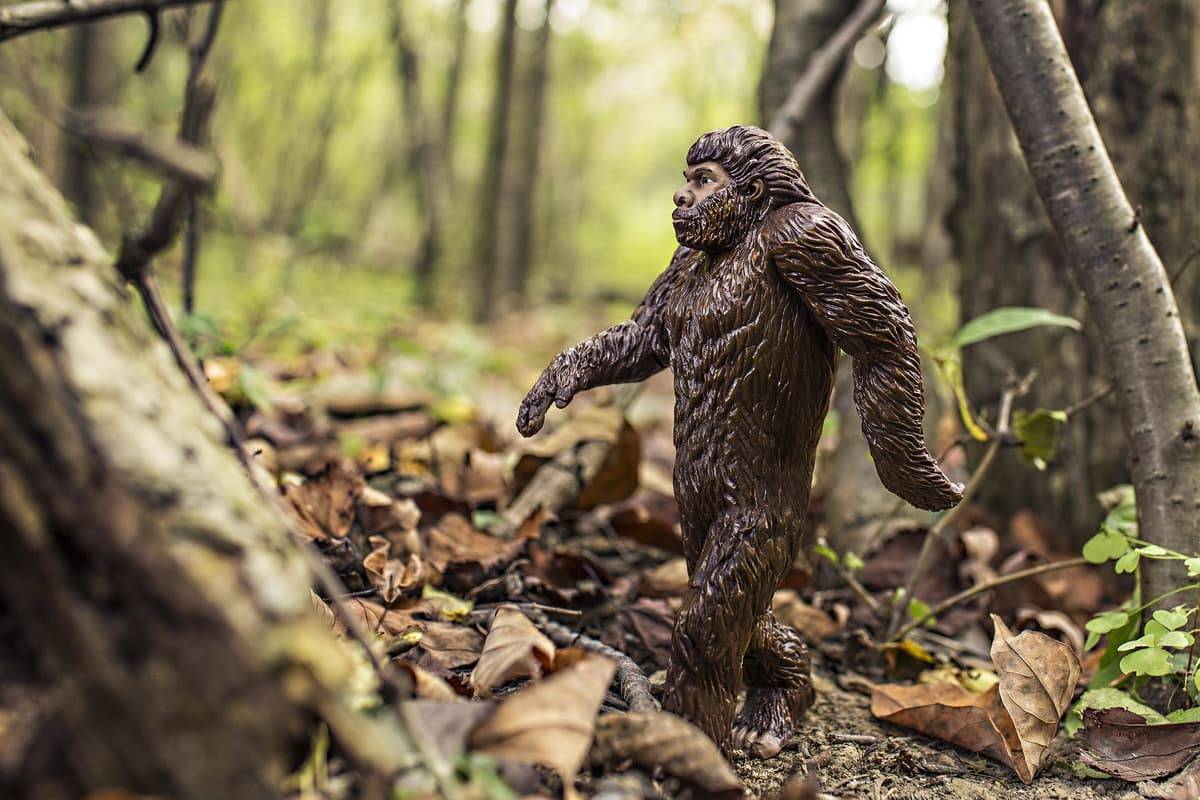
I first moved to the Pacific Northwest at twenty-five, and the landscape immediately grabbed me. Vast, ancient forests, countless waterfalls, so numerous they weren’t even named. Coming from the East Coast, where a waterfall was a rare, multi-day trek-worthy event, this was a shock to the system.
One of my first backpacking trips took a friend and me above the snowline on a mountain plateau. The silence and sheer dramatic beauty of standing on the edge, looking thousands of feet down, were unforgettable. Standing on the mountain’s plateau felt like standing on the edge of the world. The air was thin and crisp, the snow crunching beneath my boots, and all around was a silence so thick you could almost hear your own thoughts. Below, the world stretched out endlessly, treetops like a sea of green and brown, dotted with the occasional river cutting through the landscape. It felt timeless, like the landscape hadn’t changed for thousands of years. As we descended through the woods on a long, winding switchback, something strange happened: we stumbled upon a set of massive footprints. Much larger than mine, and I wear a size sixteen shoe! The prints had compacted the snow all the way to the ground, as though something incredibly heavy had walked there.
The further we walked, the more spaced-out the footprints became, as though whatever had made them had broken into a run. My first thought was some odd snowmelt pattern, maybe caused by the sun and the trees. But then, as we rounded a switchback, the footprints followed the curve. My friend casually asked, “Do you think it’s Bigfoot?” I laughed and said, “Nah, maybe it’s the Wendigo.” But when she quickened her pace, I realized she was scared. The steps disappeared back into the treeline, but the mystery stuck with me.
Stranger than the size of the prints was the way they tugged at something primal. Suddenly, the vast forest that had once felt like a peaceful escape now felt unknown, like it was holding its breath, waiting. In that moment, I realized how little we know about the wild places we wander into.
At the time, I knew as much about Bigfoot as anyone else: a giant, hairy ape living in the woods. But later, I learned we were hiking near Ape Canyon, a spot notorious for Bigfoot sightings. The Bigfoot legend is everywhere in the Pacific Northwest, as much a part of the forest as the trees. For some, it’s a joke, a local mascot. For others, it’s dead serious. I’ve met people who would swear they saw something huge and shadowy moving through the trees, who speak of strange howls that echo through the valleys late at night.
Years later, after returning to rural Washington, I heard logging legends: stories of creatures that could devour men, water dragons tormenting loggers, and more. Everywhere I go, I love hearing stories, especially the eerie ones. Ask someone about their job, and they might groan. Ask about their grandfather’s work, and they’ll talk your ear off. Ask about childhood ghost stories, and they light up.
Along the way, I attended a few Native gatherings and was captivated by totem poles. Some of the legends and spirits represented in those poles (cannibalistic giants, Bigfoot, the thunderbird) found their way into The Vanishing of Jessica Muir.
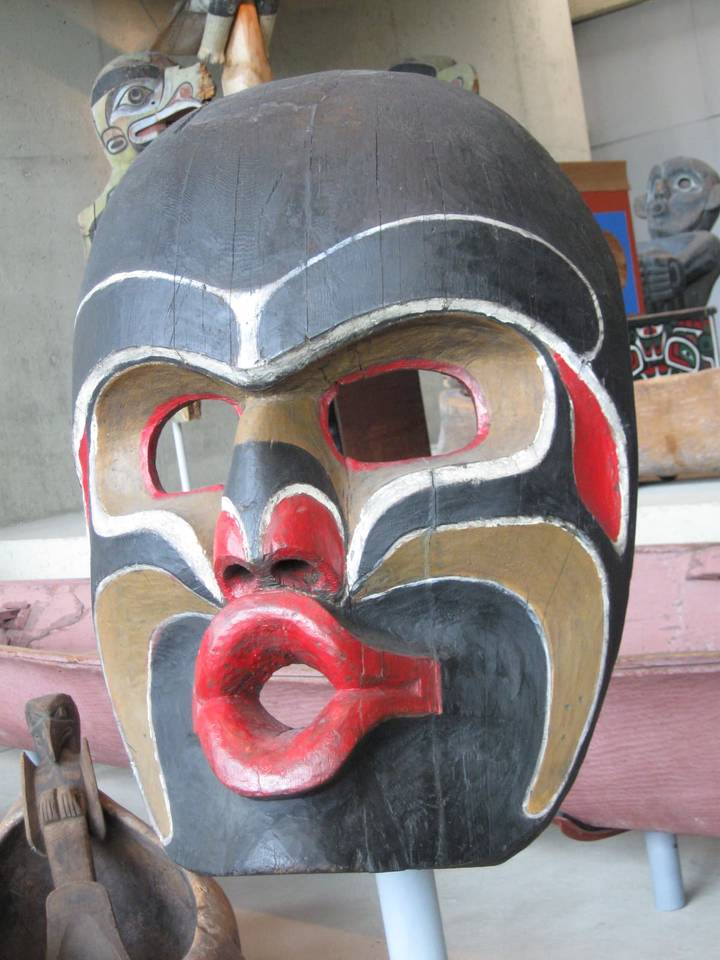
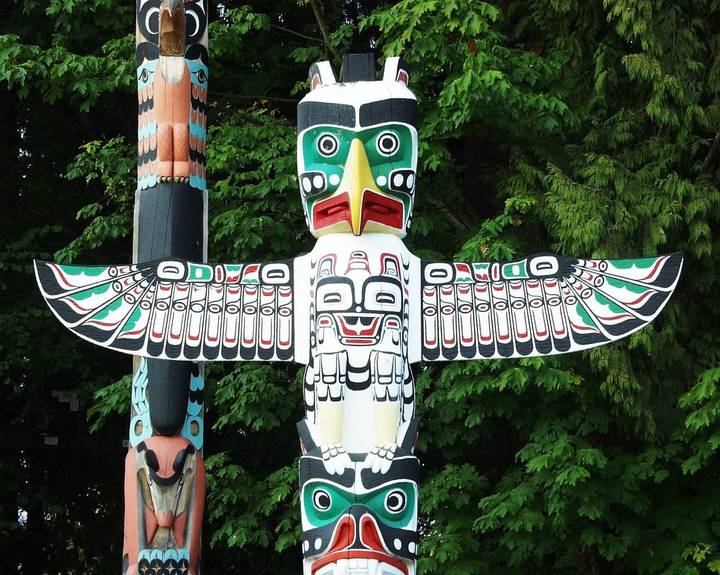
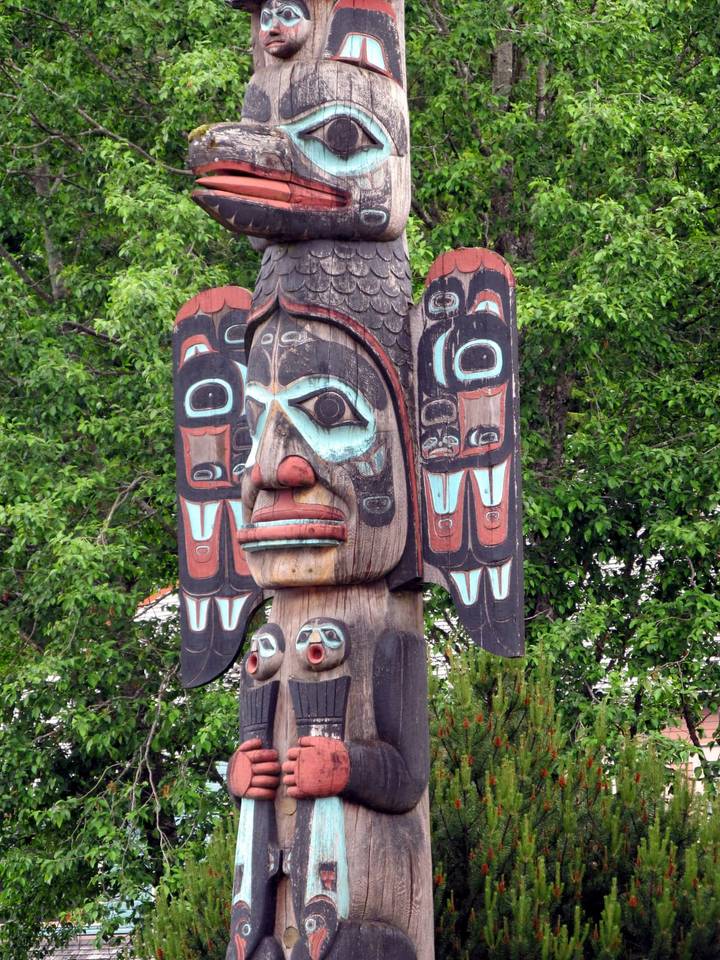
Totem poles are storytellers. Each carved figure represents a spirit or legend: the cannibalistic giants known as Tsonoqua, the Thunderbird, said to cause thunder with the flapping of its wings. These figures are lessons passed down through generations, carved by people who lived close to the land and took its dangers seriously. Seeing them in person changed how I thought about the forests I’d been hiking through.
Later, I realized that moment on the mountain had planted a seed. What if the creatures we’ve always whispered about aren’t myths at all? That idea eventually became The Vanishing of Jessica Muir.
This file is part of the Archives
Dead Drop is a monthly letter from inside the story. Get clearance for more.
Join Dead Drop