The Origins of TVJM
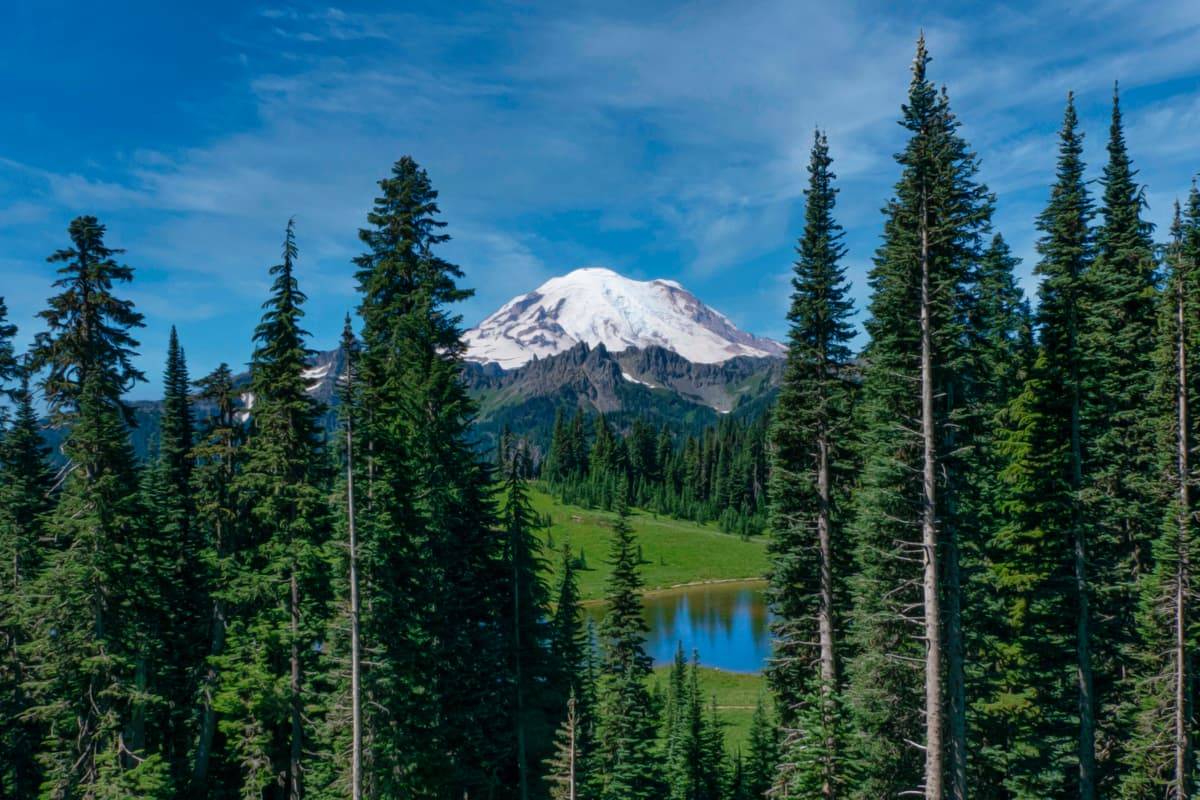
The day started like any other. I woke up before dawn, the sky still clinging to the last threads of night, to feed my pigs and begin the daily grind. Moving to any small, insular community comes with a permanent outsider status—in rural Washington state, it can take decades to become a local. But the more you immerse yourself, the more you begin to blend in, like water finding its way through rock. My afternoons were often spent getting to know the locals better, slowly chipping away at that “newcomer” barrier.
One particular afternoon, I found myself helping an older man cut firewood for the winter. He had spent most of his life as a logger in Washington, and our conversation naturally drifted into stories of his time in the woods. As we worked, I asked if there was any folklore tied to logging or these woods. You can’t work in the wilderness without creating a few legends, right?
Without missing a beat, he brought up Bigfoot—naturally. But I pushed a little further. “What about logging-specific folklore?” I asked. Old professions, especially ones that take people deep into untamed places, often come with their own set of tales, strange creatures, and unexplained happenings.
That’s when he mentioned a creature—a terrifying thing that looked like nothing more than a fur pelt, but it could devour a man whole. It was one of those creepy legends passed around with the whiskey bottle late at night in the logging camps. His story sent me down a rabbit hole of logging-specific folklore from across the country—strange creatures, larger-than-life characters, the kind of stories that only come from people who work alone in dark woods.
Later that evening, after the firewood was stacked and the work was done, I retreated to my garage woodshop. I couldn’t shake the image of the creature he described, the fur pelt that could devour a man. I poured myself a bourbon, put on a Tom Waits track, and decided to do some digging. I tried to find more about the creature, and after a bit of searching, I stumbled upon Rumptifusel—whether it was real folklore or some obscure, forgotten bit of myth didn’t matter. What mattered was the spark it ignited in my mind.
As I sat there, the bourbon warming my thoughts, I began to wonder: what if all the folklore, the conspiracy theories, the campfire stories—what if it was all true? What if the creatures from every culture’s myths were out there, lurking in the shadows, just beyond the edge of what we know? And how would the world function if that were the case?
To me, it seemed like it would have to be one massive conspiracy, bigger than anything we’ve ever conceived—something buried so deep in how the world works that even the most diligent investigators would only catch fleeting glimpses. That idea took hold of me and wouldn’t let go.
That was the seed of The Vanishing of Jessica Muir.
I started outlining, filling in the details of a world where folklore is fact, where the impossible is true but kept hidden behind a curtain of secrecy so thick that we, the average people, could live our lives blissfully unaware. The more I wrote, the more I became obsessed with this idea. How does the world stay normal when it’s full of the abnormal? Who’s pulling the strings? And what happens when those strings start to unravel?
In just one month, I wrote the first 30,000 words of the novel, thanks to NaNoWriMo(National Novel Writing Month). That challenge of writing 50,000 words in 30 days was the push I needed to turn an evening of bourbon-fueled curiosity into a real manuscript.
But after NaNoWriMo ended, I hit a wall. I realized the original structure of my novel wasn’t going to work. I needed to do a lot of rewriting, and at the time, I didn’t fully grasp that “writing is rewriting.” So I put the novel down for a few years. The idea, however, stayed with me. Then, I came across an article that said half-finished projects clutter your mind and leave no room for fresh ideas. It was simple: either finish them or throw them out. I threw out a lot of old projects, but not Jessica Muir. This one needed to be finished.
Beneath all the folklore and mystery, The Vanishing of Jessica Muir is also a story about grief. Jessica’s disappearance leaves a hole that the other characters can’t stop circling—unanswered questions, no closure, just absence. I wanted to write about how people cope with loss when there’s nothing to resolve. Grief works a lot like the hidden creatures in the story: always there, just out of sight, shaping everything whether you acknowledge it or not.
Looking back, it’s funny how a casual conversation about logging camp legends turned into years of work. A question asked on a whim, and suddenly I was building a world. Ideas form like that sometimes—a seed you can’t stop thinking about until it becomes the thing you have to finish.
I think we love conspiracy theories and ghost stories because we want to believe the world is stranger than it looks. The Vanishing of Jessica Muir starts with one woman going missing. It ends somewhere much weirder than that.